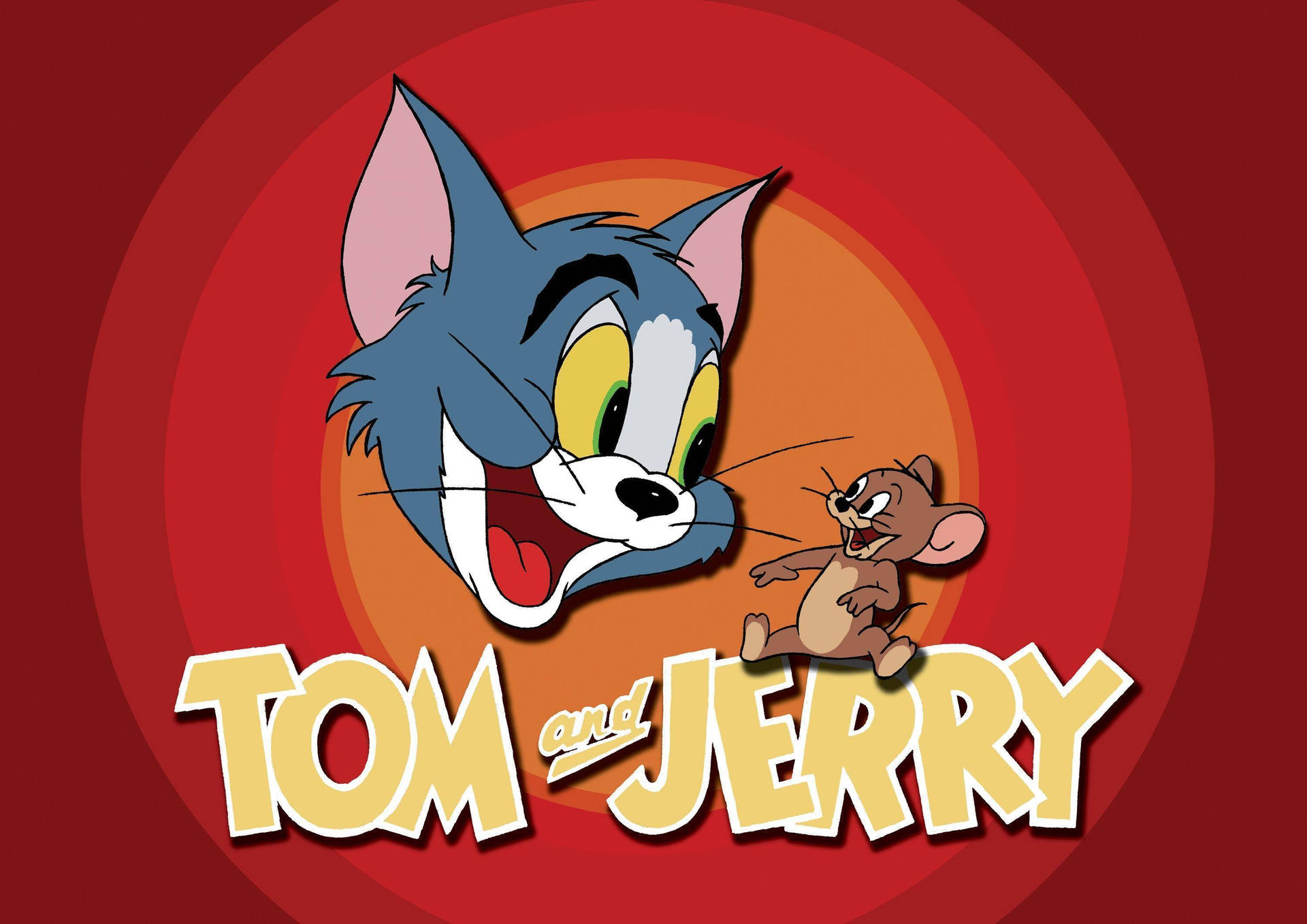
In the endless flow of cinematic history and animation, some works are born only to fade with time, but there are towering monuments that defy all laws of obsolescence, most notably represented by the legendary Tom and Jerry. Born in the 1940s under the talented hands of the duo William Hanna and Joseph Barbera, the film is not merely about mindless chases between a house cat and a mouse; it has become a part of global cultural heritage, a ticket back to childhood for anyone across the globe. The film's appeal stems from the perfect combination of meticulous handcrafted artistry and enchanting symphonic scores, creating a universal language that requires no dialogue yet still makes viewers of all ages roar with laughter. At the heart of the entire work is the fateful and adversarial relationship between Tom the cat and Jerry the mouse—a never-ending battle that is also full of unusually warm moments.
Looking deeply into the character of Tom, we see a blue-grey cat of immense persistence and resilience; though he almost always fails to catch Jerry, he never truly gives up. Tom is not an evil villain; he is simply acting on the instincts of a natural predator or trying to protect his territory to please the homeowner. The image of Tom being transformed into all sorts of bizarre shapes after every collision—sometimes flattened like a pancake, other times stretched out like a rubber band—has become an icon of peak slapstick comedy. In stark contrast to Tom's clumsiness is the extreme shrewdness and intelligence of Jerry. Despite his small size, Jerry always knows how to utilize his surroundings to turn everyday objects into self-defense weapons, proving a profound philosophy that intellect and agility can always triumph over brute strength. Their chase is like a wordless musical, where every leap and every fall is perfectly synchronized with the music of composer Scott Bradley. The jazz and symphonic scores in the film are not just background music; they serve as the dialogue, telling the story of the characters' anger, joy, or fear.
However, what truly makes Tom and Jerry touch the hearts of the audience is the strange friendship hidden behind the humorous violence. Although they spend all day setting traps and pursuing one another, when one of them faces real danger from an external enemy or the loneliness of a cold winter, they are ready to shield and protect each other. This relationship reminds us of the parallel existence of opposites: without Tom, Jerry's life would lose its excitement, and without Jerry, Tom would have no reason to function. They are two sides of the same coin, bound together by an invisible but unbreakable bond. Over the decades, through many changes in drawing styles and directors—from the elegance of the Hanna-Barbera era to the modern aesthetics of later years—the soul of the film has remained unchanged. It remains a constant source of inspiration for creativity, a lesson in optimism, and the ability to self-heal after setbacks. Tom and Jerry has gone far beyond the framework of an entertainment film to become a symbol of eternal joy, reminding each of us that no matter how wearying life's chases may be, we can always find laughter and a true companion to walk through our most brilliant youthful years. This monument will remain forever in the hearts of humanity, a testament to the fact that purity and sincerity in art will always possess a vitality that endures through time.